
How Family Constellations Can Support the Journey of Individuation
In Jungian psychology, individuation is the process by which we become who we truly are — a unique individual, distinct from the collective patterns and unconscious influences that shape us. It is not about becoming isolated or “individualistic,” but rather about becoming whole: integrating the unconscious, healing inner splits, and living in alignment with the soul.
But how do we walk this path when our lives are entangled in invisible loyalties to our family of origin? How can we become ourselves when we carry burdens that don’t belong to us, repeating patterns that stretch back generations? This is where Family Constellations can be a powerful ally.
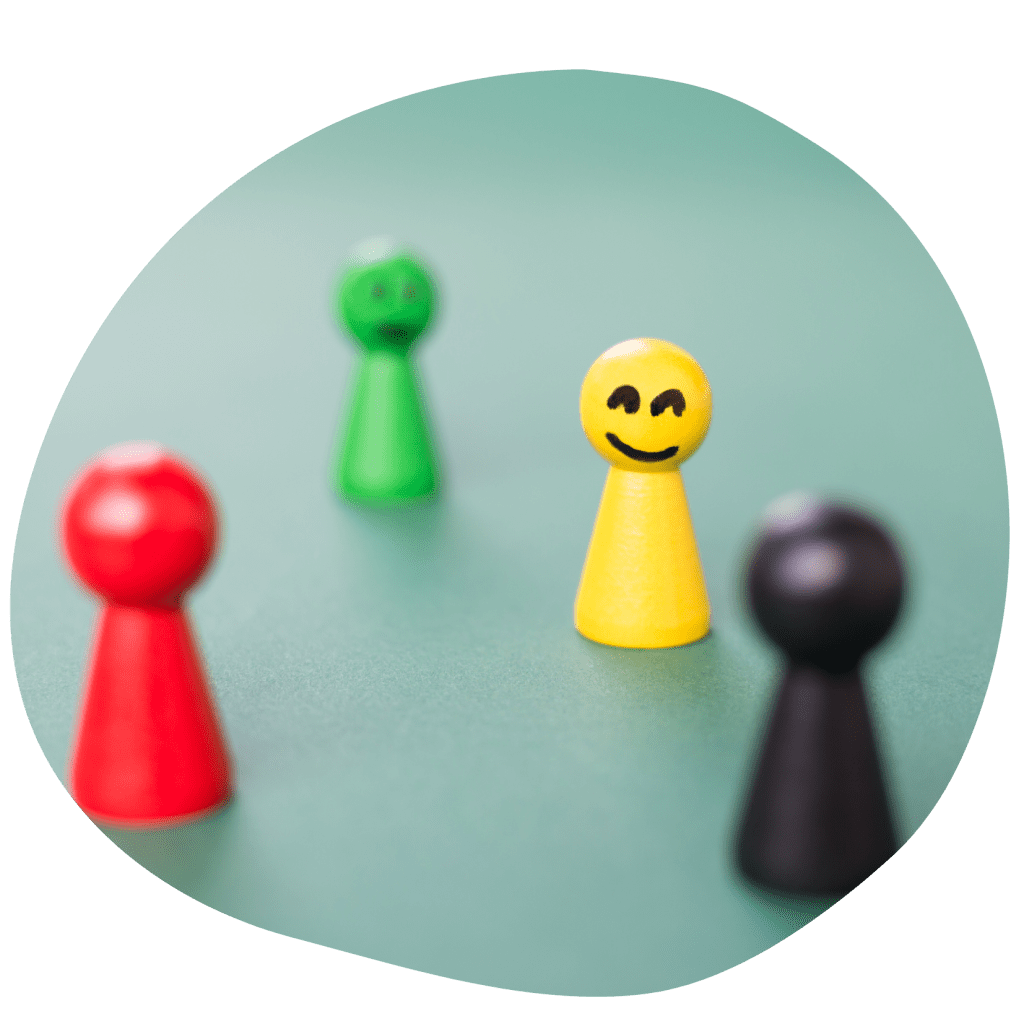
We are born into a web of ancestral connections. Whether we’re aware of it or not, our lives are deeply influenced by the fates, traumas, and unfinished stories of those who came before us. In Family Constellations, these entanglements are not seen as psychological flaws, but as expressions of systemic loyalty — a deep unconscious bond with the family soul.
We may unconsciously say:
• “I will carry your grief, dear mother, so you don’t have to.”
• “Let me suffer like you, grandfather, so you won’t be alone in your pain.”
• “I’ll sabotage my happiness to belong.”
These unconscious identifications block our movement toward individuation. Instead of becoming ourselves, we become a substitute for someone else’s unresolved fate.
Family Constellations work offers a profound way to see these hidden dynamics. In a session, representatives stand in for family members or elements of the system (such as trauma, guilt, or exclusion), and a living map of the unconscious field is revealed. Often, what emerges is not what the mind suspects — but what the soul already knows.
Through this process, we can:
• Acknowledge what has been excluded, denied, or forgotten
• Return burdens we’ve carried on behalf of others
• Restore the natural order — where each person carries only their own fate
• Receive the ancestral blessings that come after rightful belonging is restored
This disentanglement allows the individual to step out of the collective spell and step into their own destiny.
Jung wrote extensively about the collective unconscious and the archetypes that shape our psyche. What Family Constellations shows us is that much of what we experience as “personal” may actually arise from the collective family unconscious.
For example:
• A fear of success may belong to a grandmother who lost everything when she rose above her station
• A struggle with intimacy may mirror the heartbreak of an ancestor whose lover died in war
• A child’s depression may echo an unborn sibling never acknowledged
As these patterns are made visible and honored, we are freed to differentiate our own voice from the inherited voices within. This is not rejection — it is integration. We do not cut ties with our ancestors; we take our rightful place in relation to them, as part of the larger system, but no longer enmeshed.
Individuation does not mean severing from our roots. It means rooting ourselves more deeply — but in truth, not in entanglement. It means:
• Honoring where we come from
• Seeing clearly what is ours and what is not
• Stepping forward with a sense of inner permission to live our own life
Family Constellations brings the unconscious family field into consciousness. It allows the personal work of individuation to be grounded in a larger systemic healing — so the soul is not just free, but also held.
If you’re curious to explore more, these books offer powerful insight into the principles and depth of Family Constellations work:
• Family Constellations: A Practical Guide to Uncovering the Origins of Family Conflict
by Joy Manné
A clear, accessible introduction to the philosophy and practice of constellations. Ideal for beginners and those seeking a practical entry point.
• It Didn’t Start with You: How Inherited Family Trauma Shapes Who We Are and How to End the Cycle
by Mark Wolynn
A modern classic that bridges science and soul, helping readers understand the biological and emotional inheritance of trauma — and how to heal it.