
Money as an Attachment Style to the Mother
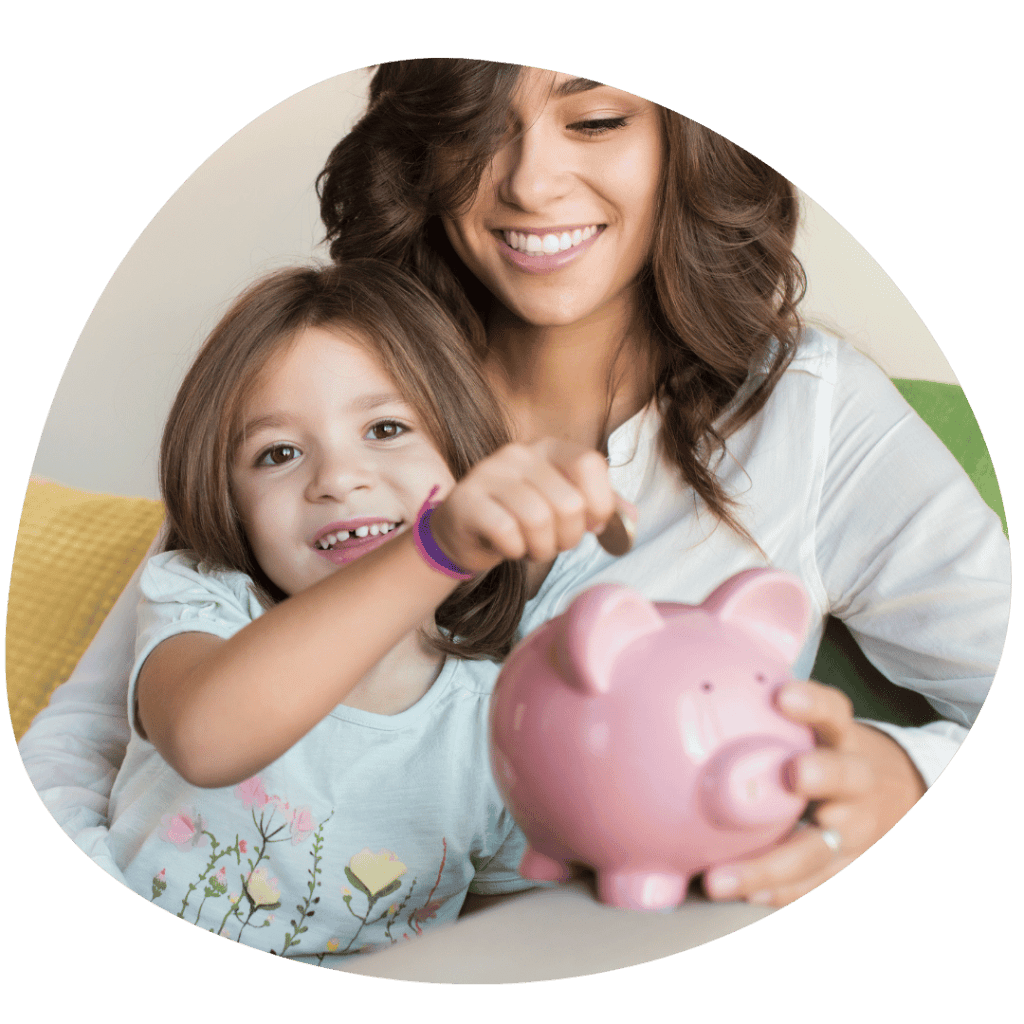
The Mirror of Early Attachment

Money as an Object of Love
If we experienced a loving, present, and emotionally available mother, we may feel a similar sense of security around money. We trust that money will come when needed, and we don’t hold onto it with fear. We have a secure attachment to money because our relationship with love is built on trust and stability.
On the other hand, if our early experience of love was marked by inconsistency, unavailability, or emotional distance, we might find ourselves in a more anxious or avoidant relationship with money. Just as love felt unpredictable, money might now feel fleeting, unreliable, or even dangerous to engage with.
Anxious Attachment: Money as Unstable
In an anxious attachment, the child learns that love is unpredictable—sometimes present, sometimes absent. This uncertainty can mirror our experience with money: we might hold onto it tightly when we have it, fearing it could disappear at any moment, or spend it impulsively, trying to capture a fleeting sense of satisfaction. We are constantly anxious about whether we have enough, whether it will stay, and whether we are worthy of it.
We may even seek to buy love—through gifts, excessive spending on others, or impulsive purchases that momentarily fill an emotional void—because we have linked love and security to material comfort.

For someone with an avoidant attachment style, money might be treated with detachment or even disdain. Just as we might avoid intimacy or close relationships to protect ourselves from emotional hurt, we may also avoid forming a healthy relationship with money. We might reject its importance, avoid budgeting, or even feel discomfort with financial success, pushing it away just as we might push away emotional closeness.
Underneath this avoidant behavior is often a deep fear of being let down. If money is seen as unreliable—like love once was—there’s an instinct to avoid relying on it altogether, as a form of self-protection.
Those with a disorganized attachment style experience a push-pull relationship with both love and money. There may be periods of extreme spending followed by periods of extreme frugality, as if the person is caught in a constant cycle of abundance and lack, mirroring the chaos they may have felt in early relationships.
Money, like love, feels both alluring and terrifying—something that is both needed and feared, craved but also pushed away.
What’s important to understand is that these patterns with money are not inherently about finances—they are about love, worthiness, and survival. They are echoes of how we learned to navigate relationships, especially our first and most important one, with our mother.
Healing these early attachment wounds can transform our relationship with money. It begins with recognizing how money represents more than just a medium of exchange. For many of us, it represents love, security, and self-worth—concepts deeply tied to our early life experiences.
To change your relationship with money, start by exploring your beliefs about love and worth. Ask yourself:
- Do I believe I deserve love, abundance, and security?
- Do I trust that what I need will come to me, or do I fear it will disappear?
- How does my relationship with money reflect my relationship with my mother or caregivers?
These questions can lead to deep insights about the emotional roots of your financial behaviors. As you untangle these patterns and heal your attachment wounds, you may find that your relationship with money shifts—just as your relationship with yourself and others can.
Ultimately, money is a reflection of how we see ourselves and the world around us. If we can heal the broken threads of attachment that tie us to feelings of scarcity, unworthiness, or fear, we can begin to see money for what it is: a tool, not a symbol of love or survival.
As you work to heal your attachment wounds, you’ll find that money flows with more ease, staying longer, and coming without the anxiety or avoidance that once characterized your relationship with it. Just as love, when experienced in a healthy way, provides security and joy, so too can money provide comfort without becoming the source of anxiety or pain.